And where biodiversity improves well being
It’s a stretch, I know. But here is a true story.
Imagine two towns, just a stone’s throw away from each other, but living in almost different worlds.
The first town, Finnish Karelia, was bustling with modern life. People there enjoyed the conveniences of Western lifestyles, with supermarkets full of processed foods, gleaming sterile homes, and a pace of life that’s always on the go.
Just across the border lies Russian Karelia, a place where life moves a bit slower—the iron curtain had strictly separated the two areas after World War II. Here, families still tend to their gardens, eat homemade fermented foods, and children play in the dirt without a second thought. People here live a more traditional life and were not, by conventional definition, as prosperous as the people on the Finnish side.
With time, researchers noticed something intriguing about these neighboring towns: the people in Finnish Karelia seemed to have many more allergies compared to their neighbors in Russian Karelia.
This sparked a study that looked closely at why this might be.
They found that the modern, sanitized lifestyle in Finnish Karelia might actually be contributing to higher rates of allergies and asthma. Meanwhile, the more traditional way of life in Russian Karelia, with its rich exposure to a variety of microbes from soil, animals, and natural foods, seemed to protect its people from developing these conditions.
The key difference, the researchers realized, lay in biodiversity. In Russian Karelia, the abundance of different microbes in the environment played a crucial role in building strong, resilient immune systems. This microbial diversity came from the varied diet, close contact with nature, and less “sanitized” living conditions. It’s like having a natural shield against allergies.
On the other hand, the less biodiverse environment in Finnish Karelia, with its processed foods and cleaner, more sterile living conditions, seemed to weaken this natural defense.
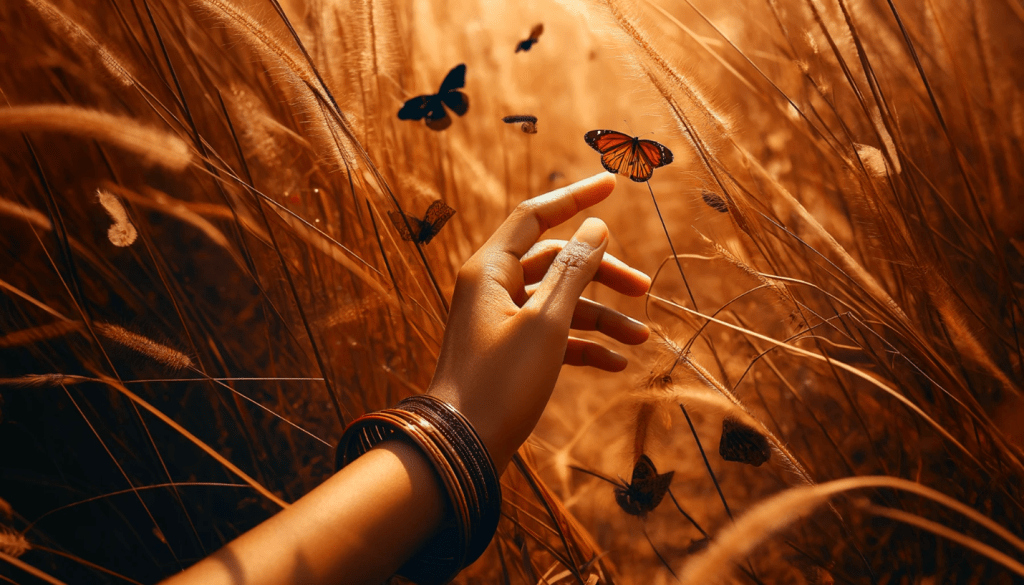
But there was one more difference – There were also more butterflies on the Russian side. Habitat destruction ensured there were fewer on the Finnish side. And this had an interesting effect—on the Russian side, where butterfly and insect densities were higher, people were more connected to nature due to the sheer abundance of it. This led to higher immunocompetence.
In effect, ensuring a higher butterfly population lead to better overall health.
So, what is the connection to acne?
You might have figured it out by now. Acne is more prevalent in urban areas than in rural ones. Researchers have shown that acne worsens during periods of high pollution. Modern cosmetics don’t help either, and ultraviolet radiation is also known to adversely impact acne-prone skin. Ultra-processed, high glycemic index foods contribute to the problem as well.
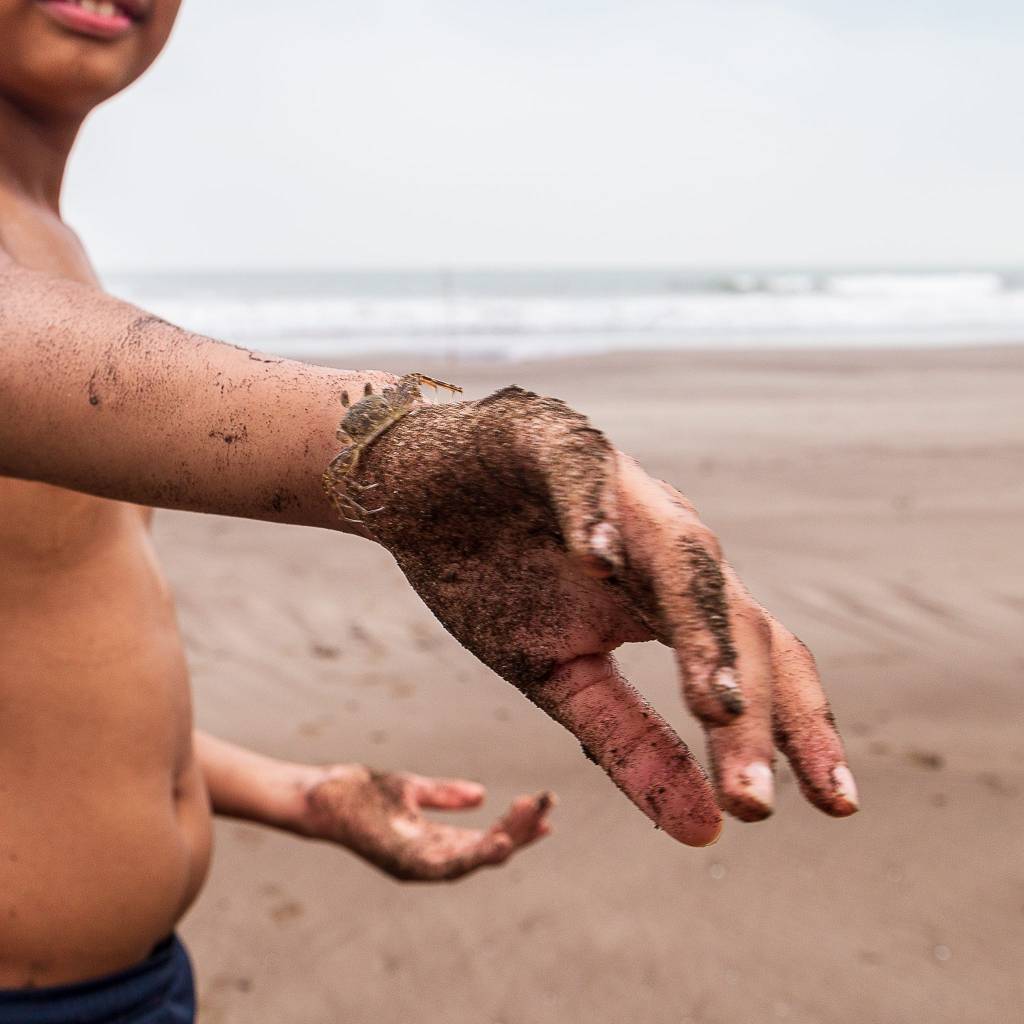
I find it difficult to imagine all these factors affecting someone living in an environment teeming with butterflies and insects. Those who don’t mind getting dirt on their hands—the gardeners among us, the hikers and trekkers, those who embrace nature—are often the ones who lead healthy lifestyles, eat natural foods, and keep their cosmetic needs minimal.
Acne is caused by an imbalance of microbial diversity on the skin. This is also a reflection of an imbalance of biodiversity in our surroundings and what we eat. Fix the diversity and you fix acne.
Beyond all that, isn’t having an abundance of butterflies itself a beautiful thing?


 V S Koushik