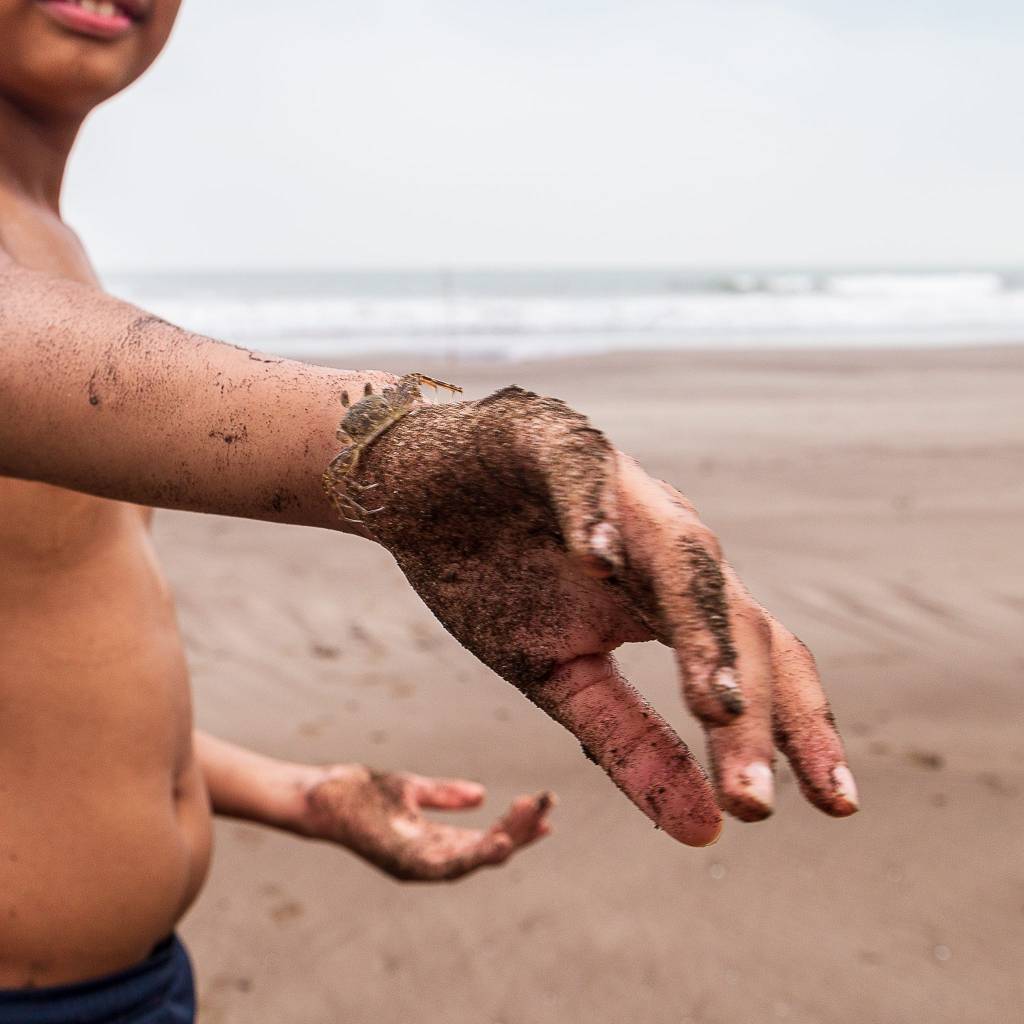
We always played barefoot as kids. Not because we enjoyed it, but because we couldn’t afford shoes. And now, as a father, I make sure my son always wears running shoes when he plays outside. Yet sometimes, I wish he didn’t.
This realization didn’t stem from any romantic notion of hardship. I have no desire for my son to endure the scarcity I faced—I’m content if he appreciates how fortunate he is. The realization struck me when my wife scoffed at my idea of going barefoot inside the house. My wife almost always wears slippers at home. When she goes for evening walks, she slips into comfortable, worn-out shoes. She even showers with her slippers on. As a result, she has the smoothest feet I’ve ever seen—soft and baby-like. And she is proud of them.
As for me, I’m the opposite. I only wear shoes when I go out, prefer sandals for walks, and am always barefoot indoors.
My trouble began when I suggested she go barefoot inside the house. “Why?” she asked, with no interest in learning the answer. It could be good for your health, I said. “Why, what’s wrong with me now?” she replied. I don’t think she expected an answer. I kept quiet.
Recommend someone to go barefoot and they look at you like you’re a quack. They suspect you’ll sell them some plant-based aphrodisiac immediately after. Yet, most people forget that being barefoot isn’t entirely unnatural. While shoes aren’t a modern invention (there’s evidence of our ancestors wearing shoes as early as 150,000 years ago), they most likely didn’t wear them all the time—mostly to protect from extreme weather.
The next time I brought up the topic, I was more prepared. We had just sat down for dinner, and everyone, including my son and mother-in-law, seemed in a good mood. “You know there’s a lot of research on the benefits of contact with soil,” I said. My dog glanced up at me. No one else paid attention. “The microbes in the soil, especially in plants, are beneficial,” I added. “They boost the microbial diversity in your skin. Scientists have found that people who come in contact with flowering plants and grass have fewer allergies.”
“So?” my wife asked, without looking up. Walking barefoot in the grass and touching plants, especially flowering plants, is healthy. It boosts microbial diversity and reduces allergies, I asserted.
“Good,” she responded. “Then you should join me when I’m potting plants next time on the balcony. No need to go barefoot for that!”
This was true. Gardening could benefit skin in the same way as walking barefoot in grass. And there was no need to take those damn slippers off. So, I kept quiet again.
Why was I so bent on convincing her to shed those shoes? I don’t really know. But I do know how it feels to go barefoot. In the age of ultra-cushioned shoes and smart devices, walking is all about quantity over quality. We’re obsessed with the number of steps we take in a day, the distance we cover during a run, ignoring the pain and exhaustion. It’s mind over matter. It’s pushing through pain.
Going barefoot is the exact opposite. Walk barefoot, and you automatically slow down. Your feet are sensitive to every texture on the ground. You feel the grass, the cobblestones, the pebbles on the beach, and the cool sand as your feet sink into the desert. As Lyanda Haupt beautifully describes in her book Rooted, shoes transform a rich, sensorial experience into a bland and unchallenging one—in her words, “mind-unnecessary environments.”
Barefoot walking is not just an exercise for your feet but also for your mind.
But this wouldn’t cut it with my wife. I had to go beyond mere romanticization. I needed hard facts.
“You know, there’s new research suggesting electrons from the earth can act as antioxidants,” I said when we were out on a walk a few days later. I had to tread carefully. This new “science” wasn’t fully established. Much of it was published in journals that weren’t very scientific. But there was enough evidence to show some benefits.
“I’m not sure I understand,” she said. Good. I had her attention. “When you walk barefoot, your feet touch the ground, your body acts as a conductor. The electrons in the earth’s surface enter your body, acting as antioxidants.”
“Sounds like quackery,” she dismissed.
“It’s not. I’ve looked it up. They call it Vitamin G, G for grounding. Studies indicate it reduces inflammation, type 2 diabetes, and even hypertension.”
“So, walking barefoot cures everything? Typical quackery talk, don’t you think?”
It did sound like quackery. Curing everything? Maybe I pushed it too far.
“Think about it,” I said, trying to persevere. “We know that free radicals are a significant contributing factor to aging, right?”
“Yes,” she said.
“Free radicals cause inflammation, correct?”
“Yes.”
“We’re constantly exposed to free radicals daily, right?”
“Yes.”
“So, free radicals cause inflammation, and we’re exposed to free radicals daily. Chronic inflammation, even at small levels, is at the root of many diseases. And we also know free radicals cause aging. With me so far?”
“Yes,” she said cautiously.
“Now, antioxidants fight free radicals, right?”
“Yes.”
So why is it so hard to believe that grounding, or earthing as some call it, can have all those health benefits? The science is still nascent, yes, but there’s convincing evidence. And the benefits from microbial diversity from plants and soil are already proven. Another good reason to go barefoot. The positive aspects of letting your feet touch the ground are overwhelmingly high compared to the negatives. In fact, I can’t think of any negatives—except that you may have to wash your feet more often.
“So, are you saying we need to walk barefoot all the time now?”
No, not at all. But there is no reason to wear shoes all the time either. Think about it this way: We are creatures of this earth. We evolved to survive and thrive in this very dirt. Live with the diversity that this dirt has to offer. There is a symbiosis at play here. We need what the earth has to offer to survive. Do you really think insulating ourselves from the earth is a good idea?
“Not if you put it that way, no.”
Remember the Karelia study I mentioned, where researchers found children living closer to nature led healthier lives than those in urban settings? There is plenty of evidence showing that insulating ourselves from nature, from the earth, is at the root of several health problems.
“Alright, alright, I get it. Seems like a good thing to do. Be grounded. So, what do you want us to do? Throw away our shoes and slippers?” she said, rather sarcastically.
No. Not necessary. To begin with, start with a few minutes of barefoot walking inside the house. Let your feet adapt. Increase the time slowly. When we go out for walks, let’s walk on the lawn barefoot. Just for a few minutes. Or sit on a bench, with our feet touching the ground. Simple things really. What harm can they do, I said, trying to convince her.
She didn’t respond, and we finished the rest of the walk talking about other things.
We came home to find our son lacing up his shoes, on his way out.
“Where are you going?” I asked.
“To play,” he said, racing out the door to the grassy lawn in the apartment complex.


 V S Koushik