Reflections on skin, sun and nature
Thinking about skin and its color simplified my relationship with the sun and brought me closer to the rhythms of nature.
There are few places in Mumbai that offer an immersive experience of nature like the Aarey Milk Colony. The thought of going for a walk to soak in the lush greenery, especially during the early monsoons when the trees are washed clean, was too tempting to resist. I arrived around 6:30 AM, parked my car in the usual place, and started to walk.
The birds were already up and made their presence known with a cacophony of sounds from the canopy – there was the lone coucal, the loud white-breasted kingfisher, countless bulbuls, and the melodious but loud koel. Some believe that the stomata in the leaves open up to the sound of bird songs, releasing oxygen into the atmosphere. This is, of course, not true; they open to the stimulus of light, just like the birds.
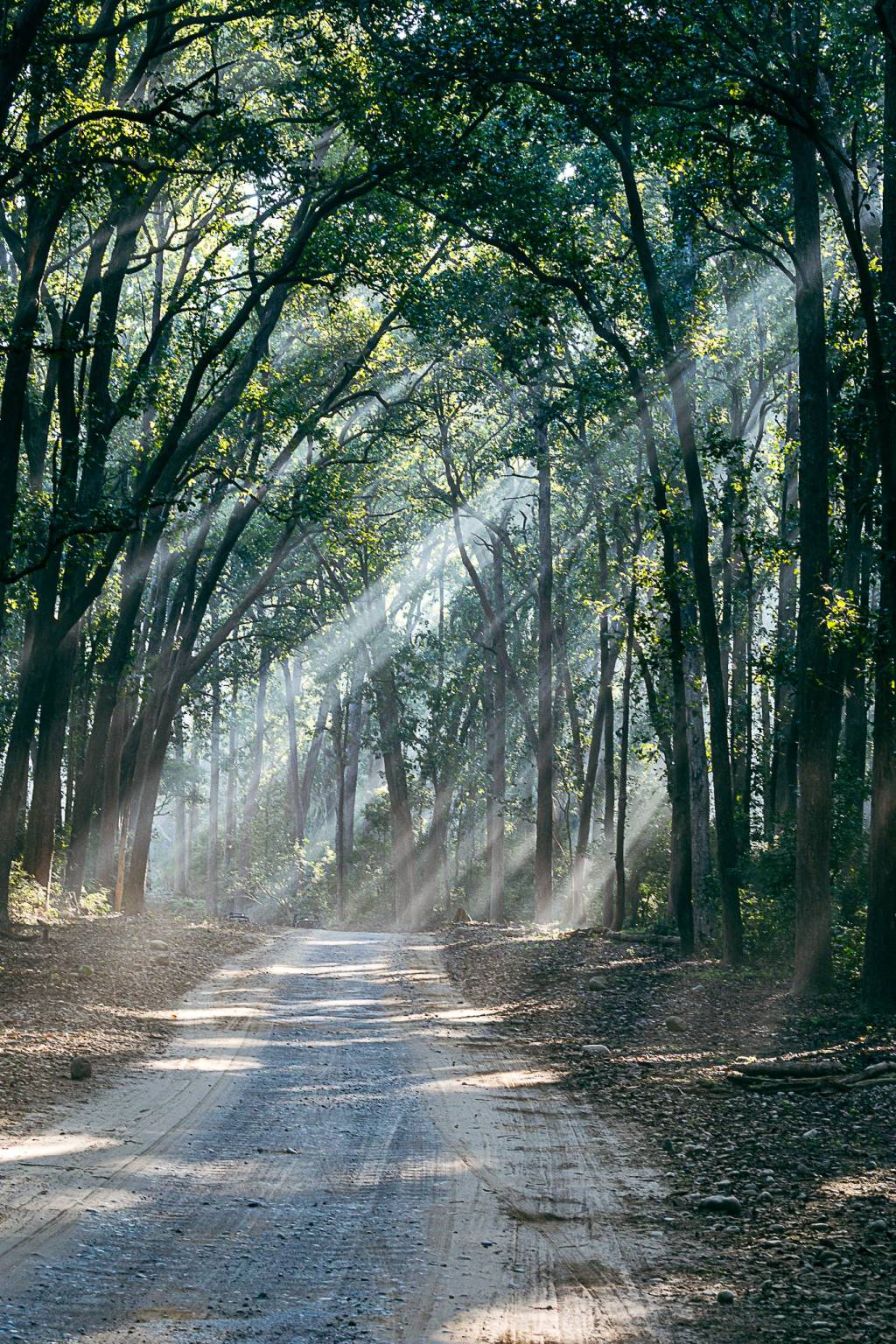
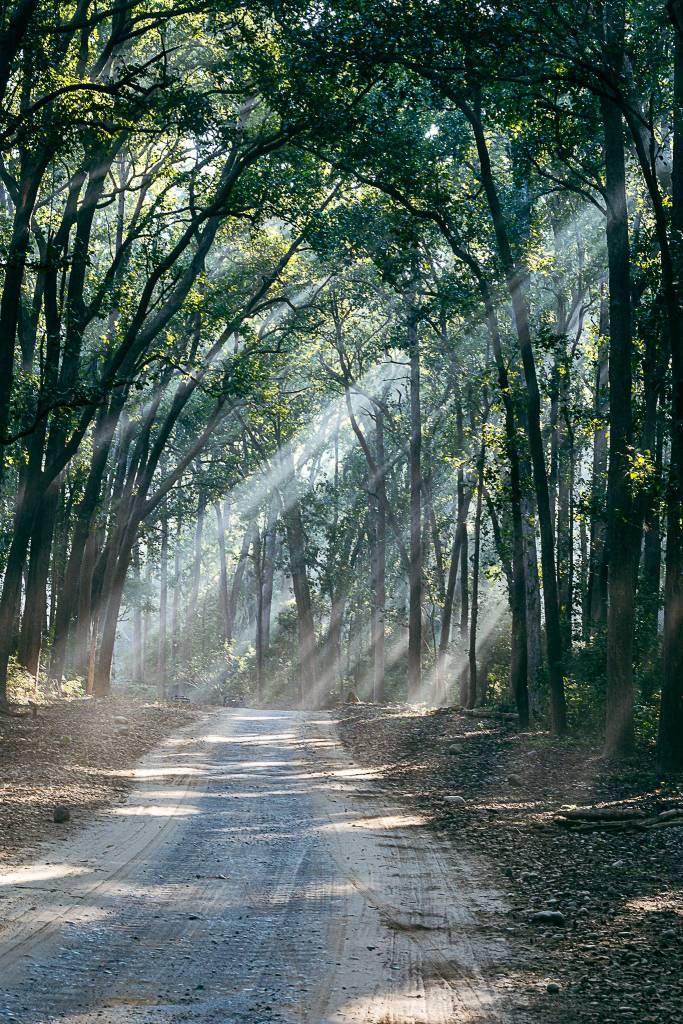
The light came through the rich, dense canopy, slanting through the gaps, making intricate patterns on the black, tarred road. There was a slight breeze, and the light, when it gently kissed your skin as you walked, felt pleasantly soft and warm, like a thin shawl of Cashmere on a chilly day.
I spent about an hour walking up and down Aarey before I jumped back into the car and drove home. I had a quick shower, and just as I was getting dressed in front of the mirror, I noticed something that got me thinking.
There was no noticeable tan!
It is usual for me to tan profusely after an hour in the sun. I come back looking like a zebra – my lower arms dark brown while the covered areas are much lighter. “It’s called latte skin,” my Thai colleague told me recently.
The Thai even had a name for it.
But today, there was no latte skin. I was relieved, yes, but it also got me curious. I knew that the early morning sun had less energy in general and that I was under a thick canopy. So, it was clear why I didn’t come back looking like a zebra. But it evoked deeper feelings in me.
Here are two facts that have guided my thoughts about skin color over the years. One, that my color (melanin) is a consequence of where my ancestors and I come from. And the other, that my color is tuned to provide me optimal protection from UV.
I’m proud of my color, and my understanding of its biology gives me even more reasons to believe that nature knows best. But there is one little issue.
I hated the latte look. My skin not only looked darker but also drier. Especially after a long day in the sun. This really put me in a conflicting position.
Is it okay if I complain about how my skin looks after it tans? Am I a hypocrite who hates his own darker, tanned skin tone while outwardly criticizing people who want to get fairer skin?
I have written in the past about how I wear my tan with pride. I still do. But the dryness, especially after a deep tan, really started to bother me.
There is no such thing as a good tan.
A colleague I worked with, who happens to be an expert on all things sun care, once told me this. I know he is right – every time you tan, you accumulate damage. It’s like a bad debt that presents itself as prematurely aged skin many years later, writes Nina Jablonski, a world-renowned expert on the subject of skin color.
So, a tan is already a sign of damage. Damage from the sun. It is nature’s way of telling you that what you are doing is going to damage you. Seek shade. Now!
But here is the thing – this morning, my skin didn’t show its usual warning even after an hour in the sun. It was okay to be out and about.
It was as if nature wanted me to be out in the sun. The chill in the breeze, the warmth of the early morning light, the song of the birds – all of it welcomed my stay. Squinting at the canopy to catch a glimpse of the sun lifted my spirits even more.
But why was I not tanning?
I looked it up.
We know melanin protects us from the sun’s intensity. Cancer from UV is real and kills many around the world. In higher latitudes, where there is less UV, people tend to be lighter, and around the equator, where there is more UV, people tend to be darker.
Skin color is tuned for protection. Protection from the harsh, midday sun. We need sunlight to produce vitamin D. It also helps us sync our hormones to the time of the day. It helps us start the day and regulates our sleep cycles.
The fact that the early morning sun does not really cause a tan can mean only one thing – it is good for you.
This begs the next question – why should we consider a tan a bad thing? What does it really mean?
Here is where it gets tricky – a tan, the sort that happens within minutes of you stepping out, is meant to protect you from the damaging effects of UV. While a tan cannot really protect you from cancer, it protects you from other degradative effects of UV. UV is known to degrade vitamin B, for example, and a tan could prevent this from happening.
So, a tan basically means that the intensity of UV is high enough for your body’s defense to automatically kick in. It’s your first line of defense.
When you start to tan, seek shade. Remember, most sunscreens also do not prevent a tan.
They say you should listen to your body. It’s good advice, and it also holds good for your skin. A tan is your body’s way of telling you to stop what you are doing and cover up. It’s as simple as that.
Maybe we are meant to wake up to the sun’s slanting rays, walk under the song of birds, and soak up the first light just like the stomata in the leaves.
I still flaunt my tan as a mark of a weekend adventure. But I’m also more aware of what it means. I cover up as much as I can.
I’m also proud of my color. But now, I want it just the way it is – not any darker, nor lighter.
 V S Koushik